
Most parents think of swimming as exercise, or safety, or something kids do when they’re little. But for many kids, especially those navigating emotions, busy brains, and growing bodies, swimming can be something else entirely: a way to build focus, confidence, resilience, and calm—all at once.
Swimming Does Something Different to the Brain
Ask enough parents or therapists, and you’ll hear the same thing: kids don’t just leave swim practice tired—they leave practice regulated. That’s because water has unique effects on the nervous system. The gentle pressure of being immersed in water is often compared to a full-body hug. Pair that with steady breathing and rhythmic movement, and kids naturally settle into a calmer state. This isn’t just anecdotal; research shows that structured swimming programs can reduce stress and depressive symptoms, while improving attention and cognitive flexibility in all children.
Swim Is Hard Work—and That’s the Point
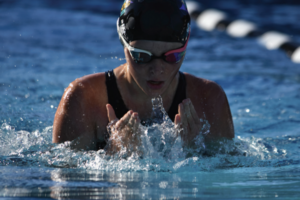
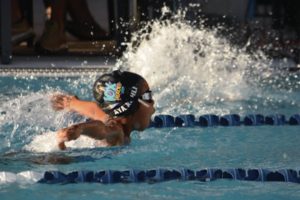
This isn’t splash time; competitive swimming tasks kids to learn all four competitive strokes—freestyle, backstroke, breaststroke, and butterfly. They learn to dive off blocks, they practice turns, and they repeat drills that require real concentration and effort. Coaches are always on deck demonstrating arm paths, kick timing, and body position. Kids try, fail, adjust, and try again. That process—focus, effort, correction, improvement—is incredibly powerful for mental health. This teaches kids how to work through frustration, how to stay present, and to trust that progress comes from consistency.
How Does Swimming Build Confidence Without Pressure?
One of the best things about swimming is that confidence doesn’t come from beating others. It comes from swimming farther without stopping, dropping time and finally nailing a stroke that felt impossible last month. These are private wins that kids feel in their own bodies. That kind of progress builds motivation without the pressure of comparison. This is especially important for kids who don’t thrive in loud, ball-centric sports.
Swimming Helps With Focus In a Way Schools Can’t
Swimming is essentially full-body mindfulness. Miss a breath, rush a stroke, lose your rhythm and you immediately know it. The feedback is instant. This teaches focus in a way sitting in class never can. Studies have consistently shown that aquatic exercise is linked with lower anxiety and improved mood, likely because it combines aerobic movement with controlled breathing and sensory input. Parents notice this, too. Many say swim practice is the only thing that quiets their child’s mind—without a screen.
No Phones, No Headphones, Just Presence
This might be one of swimming’s most underrated benefits. In the pool, there’s no ability to multitask. No scrolling. No music. Just water, breath, and movement. For kids growing up in a constantly stimulating world, that kind of mental reset is rare and has incredible value.
Strong Bodies, Strong Minds
A growing body of credible research shows a clear link between physical strength, regular physical activity, and mental health in kids and teens. Large studies have found that children who stay physically active have a lower risk of developing anxiety and depression later in adolescence. Swimming checks a lot of boxes at once: Strength, endurance, coordination, discipline, and emotional regulation.
And No—It’s Not Too Late to Start
One of the biggest misconceptions about swimming is that kids must start young. They don’t. Kids can (and do) join swim teams at 10, 12, and even older with no competitive background and absolutely thrive. We’ve seen it firsthand. Swimming meets kids where they are, and progress happens faster than parents expect.
Give Swim Team a Chance
Yes, there are races. Yes, there’s hard work. Swim team also has lots of high-fives, teammates who cheer everyone on and a sense of belonging built around effort and growth. Swimming isn’t just about becoming a better swimmer. It’s about becoming a kid who knows how to work hard, focus, regulate emotions, and feel proud of what their body and mind can do.
Curious if swim team is right for your family? Come see what HOX is all about. New swimmers are always welcome, and there’s a place for every pace, personality, and experience level. For membership information and HOX registration instructions, please contact Lee Mitchell at 925.736.6500×504 or lmitchell@blackhawkcc.org. If you are new to the HOX swim team, DO NOT continue with registration. Instead, please contact Coach Sean at seanq@ blackhawkcc.org for a mandatory evaluation. No registrations will be approved until they have been cleared to swim by Coach Sean.
By Sean Quackenbush, Photos courtesy of HOX Swim